dermatitis, digestive, gas and constipation, gastritis, dandruff, nausea, wrinkled skin, abdominal cramps, seborrhea, dry skin, skin blemishes, cellulite, fluid retention, antipyretic, fungicide, hypotensive, mild sedative, open pores, antidepressant, antiseptic, antispasmodic, carminative, cholagogue, stress, tonic, insomnia, nervous tension, stimulant, anxiety, depression, agitation, mood swings, headache.
Essential oil of kindness.
Energetically nourishes those who are exposed to its subtle aroma. Capable of releasing stagnant sadness in the environment.
Relaxing, encouraging pure and free kindness. Prevents bitterness and jealousy from taking root in our hearts.
Calming and sedative. Antiseptic, analgesic and anti-inflammatory. Good for wounds, burns, acne, skin inflammations, insect bites. Relaxes, soothes and calms. Creates a peaceful, safe and conciliatory atmosphere, encouraging tenderness and lovingness. Combats insecurity, emotional deprivation and insomnia. Antiallergic and antiseptic, useful for allergies, insect bites, burns, wounds, eczema, psoriasis and skin irritation.
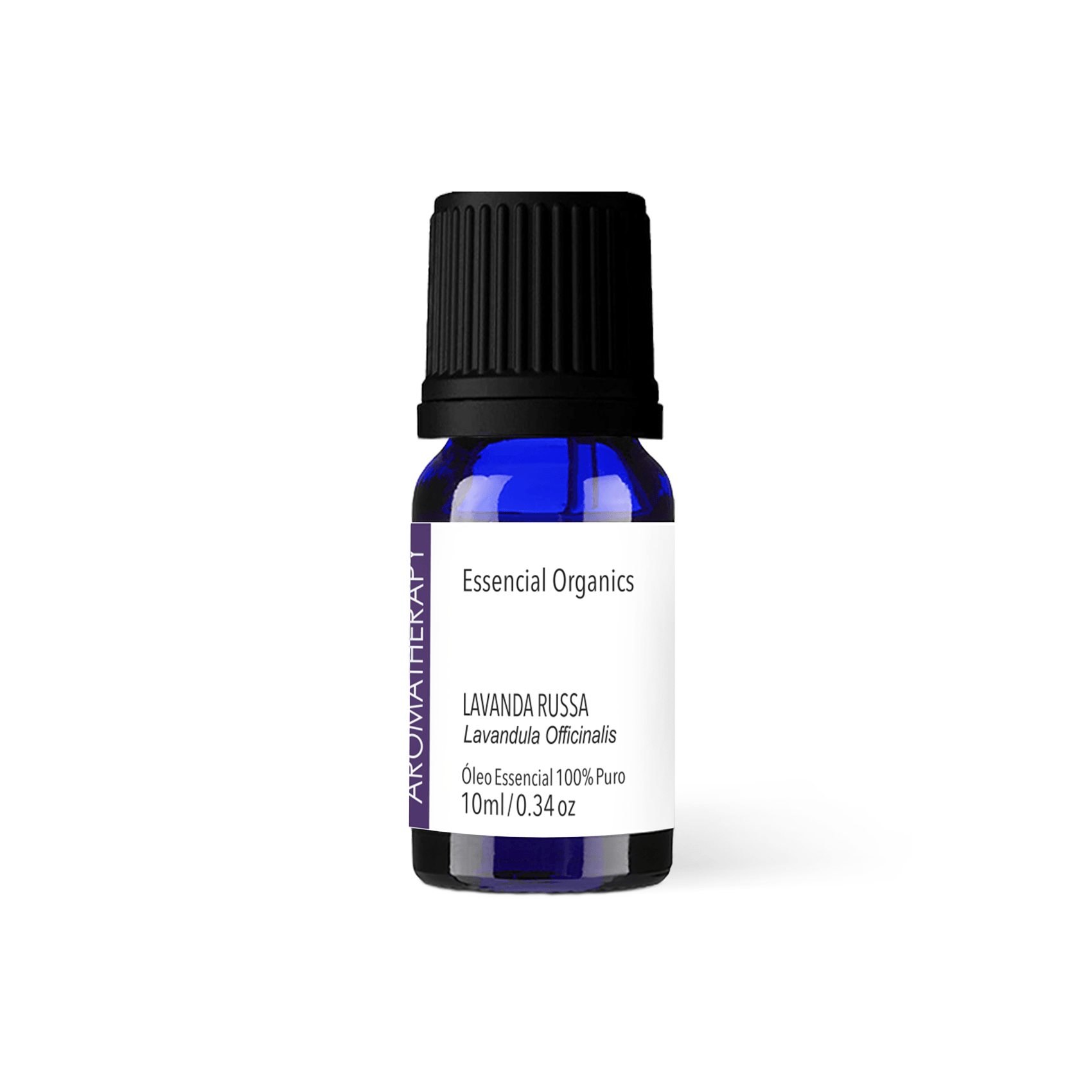
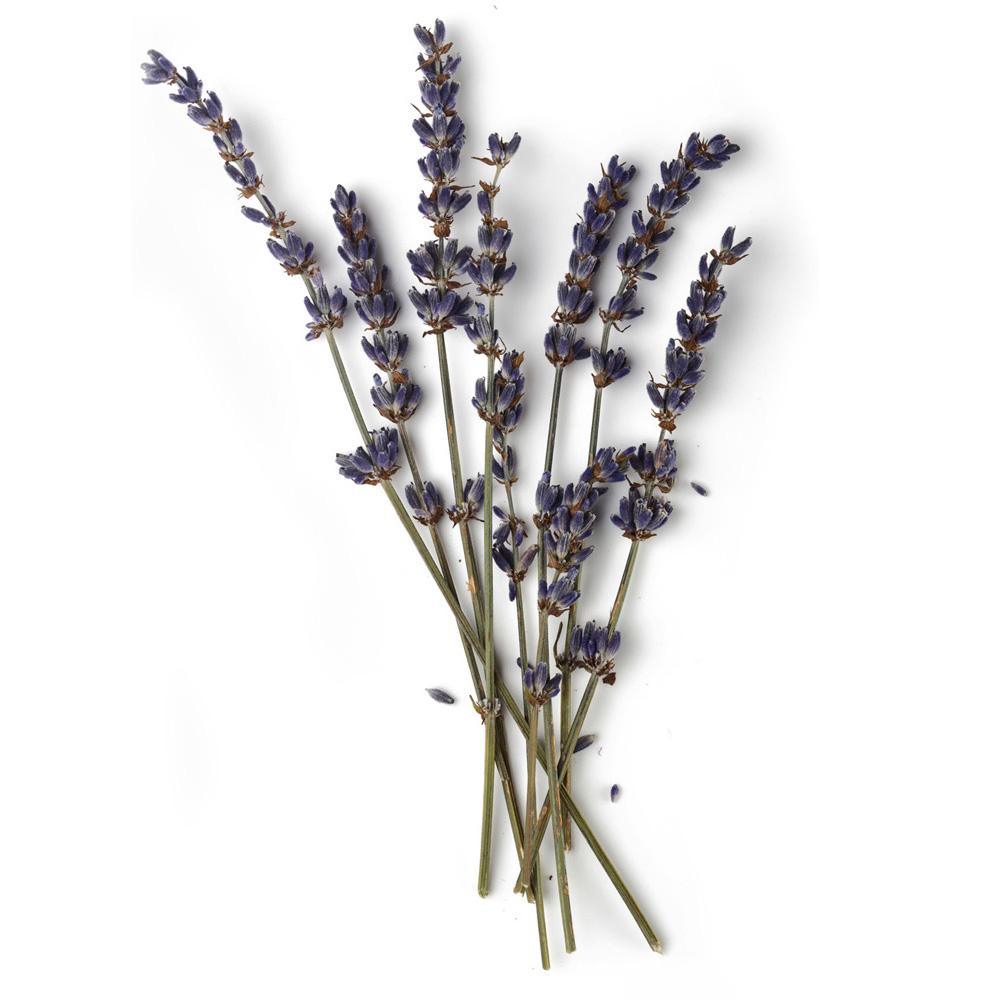
Main properties and indications of Lavender essential oil:
Lavender is often considered the most useful and versatile essence for therapeutic purposes. It has a tonic and sedative action on the heart (hysteria, nervous tension, palpitations) and lowers high blood pressure. It is a mild local analgesic and calms cerebro-spinal excitability; it is famous for its neurosedative properties and has proven valuable in a number of nervous and psychological disorders, including depression, insomnia, migraine, hysteria, nervous tension and paralysis. As an analgesic and sedative, it is very good for headaches. It is a cardiac tonic and calms the nerves of the heart. It is very good for nervous exhaustion. Lavender is often useful in cases of inflammation, hence its use in burns, dermatitis, eczema, psoriasis, conjunctivitis, cystitis, diarrhea, laryngitis and the like. In most of these conditions, its antiseptic properties are also valuable. It is good for catarrhal emissions (leukorrhea, bronchitis, etc.) and is also a mild analgesic, accentuating its value in most of the above conditions. It is good for rheumatic and muscular difficulties and pains, and is an effective ingredient in massage oil, especially for athletes and sportsmen. Lavender is a good antispasmodic (asthma, bronchitis), carminative and stomachic (colic, nausea, vomiting, flatulence, dyspepsia), especially when these conditions are associated with nervous and emotional problems. Its antiseptic properties are especially useful in combating halitosis, being an excellent skin antiseptic. It can be used on any skin condition (dermatitis, eczema, acne, psoriasis, etc.), also being effective against certain skin parasites (lice, scabies). It has proven an effective remedy for some cases of alopecia areata and can be used for all types of baldness, especially when associated with nervous problems. It can be used beneficially on any skin type (oily, dry, sensitive, acneic) although it seems to work best in combination with other essences. It is an excellent cytophyllactic (skin cell regeneration), and thus can be considered as a skin rejuvenating agent. This quality also explains why lavender is probably the most effective essence for burns. It is a pleasant and efficient deodorant. As an antiseptic-antiphlogistic-healing agent, lavender is one of the best oils to use on inflamed and infected wounds and ulcers. Lavender oil is an excellent remedy for sunstroke and, prepared as a massage oil, can help prevent burns.
Due to the breadth of its action, it is the “Rescue of Aromatherapy”.
- Physical, emotional and mental balance;
- Relaxing and calming -- anxiety, stress and insomnia;
- Antidepressant;
- Healing -- burns, wounds, insect bites, acne and skin problems in general; - Analgesic -- muscle pain, joint pain, headaches and migraines; - Antifungal and bactericidal;
- Adjuvant in the treatment of hair loss.
Emotional effects: brings calm and tranquility. Promotes emotional balance, balance between reason and emotion. Helps transform sensations, emotions and thoughts (e.g., anger, fear, insecurity, frustrations, etc.).